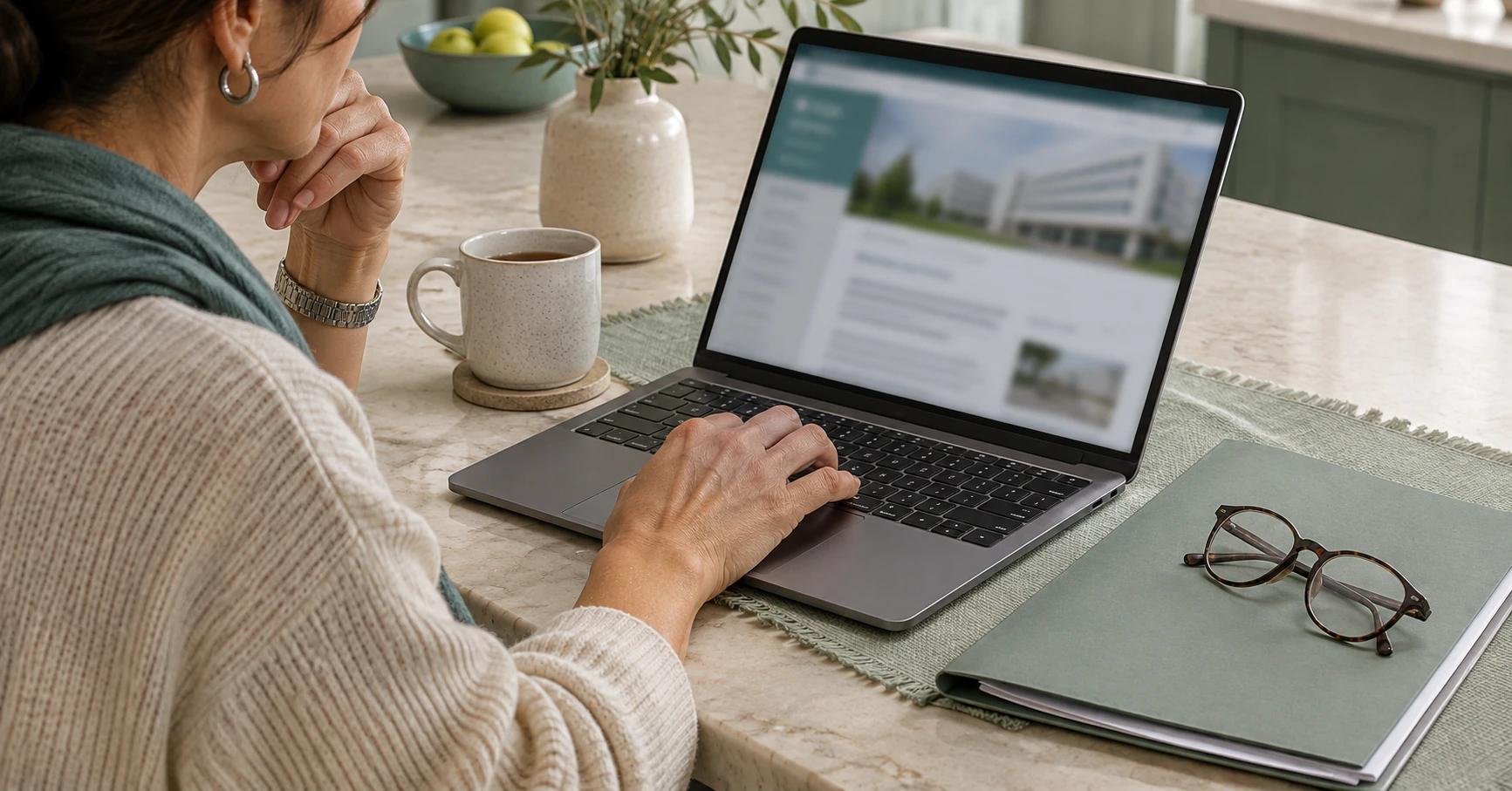
Federal law sets the clock. Under the HIPAA access rule (45 CFR 164.524), a US provider must act on your request for your records within 30 days. It may extend that once, by up to 30 more days, if it tells you why in writing. If you ask for electronic copies, it must provide them in the format you request when it can readily produce it.
Your clinic in Mexico needs those records before it can plan your care: diagnosis, imaging, medications, surgical history and any condition that affects surgery or anesthesia. Getting them there is your job. This guide covers what to gather, how to request it, when translation matters, and how to send it.
Which records to gather
For every patient
- Medication list: prescriptions, over-the-counter drugs and supplements, with doses.
- Allergies, including reactions to drugs, contrast dye and latex.
- Surgical history, including any implants or devices.
- Medical history that could affect surgery or anesthesia, such as diabetes, heart disease, bleeding disorders or sleep apnea.
- Contact details for your primary care physician.
Ask the clinic how recent each test and image must be. Requirements differ by procedure and by clinic.
Dental work (implants, full arch, complex restoration)
- A recent panoramic X-ray, and a CBCT scan if you have one.
- Dental charting from your last US visit.
- Details of any earlier implants, including brand and model if known.
Joint and spine surgery
- X-rays of the affected joint or spine, taken standing for hips, knees and ankles if your clinician can order them that way.
- MRI of the affected area, if you have one.
- Notes and the treatment recommendation from your US orthopedist or spine surgeon.
- Specifications of any existing hardware in the area.
Bariatric surgery
- Height, weight and BMI records.
- A summary of related conditions, such as diabetes, sleep apnea and high blood pressure.
- Your weight-loss history and earlier treatment.
- Any recent EKG and lab work the clinic asks for.
Cardiac procedures
- Echocardiogram, stress test and catheterization reports.
- Your cardiologist's consultation notes.
- Your current cardiac medications.
How to request records from US providers
- Send a written request to each provider's medical records (health information) department, not the front desk.
- Ask for electronic copies: PDFs for notes and the original DICOM files for imaging, not printed films or screenshots.
- Check your patient portal first. Many health systems let you download visit notes and results yourself.
- If you want the records sent straight to the clinic, HIPAA lets you direct a copy to a person you designate. The request must be in writing, signed, and clear about who receives it and where.
On cost, HIPAA allows only a reasonable, cost-based fee covering labor for copying, supplies, postage and any summary you agree to. The US Department of Health and Human Services says providers may instead charge a flat fee of up to $6.50 for electronic copies of records kept electronically. State law can set stricter limits.
Start three to four weeks before you need the records. That leaves time for the 30-day window and for chasing anything missing.
When translation matters
Records you send to Mexico
Ask the clinic before you pay for translation. Some clinics that treat US patients work directly from English records. Others want a Spanish summary for their own file. Get the clinic's answer in writing, and ask who will translate if a translation is needed.
Lab values and imaging travel well. Numbers and reference ranges read the same in either language, and DICOM image files carry no prose to translate.
List each medication by its generic name as well as its brand name, with the dose and how often you take it. Brand names are not always the same across the border, and a generic name removes the guesswork.
Records you bring back
This is where translation matters more. The CDC Yellow Book's medical tourism chapter tells clinicians to remind travelers to request their overseas records in English. In Mexico, the national clinical records standard, NOM-004-SSA3-2012, says a request for a clinical summary (resumen clínico) must be made in writing. Make that request early in your stay and ask for an English version. If a document comes only in Spanish, have it translated professionally before your first US visit. Continuity of care after medical travel lists the documents to collect.
Sending records securely
- Phone the clinic to confirm its intake email address before you send anything. Do not use an address you found only in an email or message.
- Send large imaging files through a file-sharing link the clinic accepts, not as email attachments.
- Ask how the clinic stores what you send and who can see it.
- Ask your US provider whether its portal can share records with an outside clinician.
- Carry paper and digital copies of the key records when you travel. Never send original films; keep them.
The one-page summary
A single page saves time at every desk, in Mexico and back home. Include:
- Name, date of birth and blood type if known.
- Diagnosis and planned procedure.
- Past surgeries, with dates.
- Current medications: generic name, dose and frequency.
- Allergies.
- Emergency contact.
- US follow-up clinician: name, practice and phone.
- US insurance details for care after you return.
Keep it in your travel folder and on your phone, and send it to the clinic with your records. For where this fits in the trip, see what to do before, during and after your procedure.
Frequently Asked Questions
Do my medical records need to be translated for care in Mexico?
Often not, but ask the clinic in writing before you pay for it. Some clinics that treat US patients work from English records; others want a Spanish summary. List medications by generic name. Records you bring home are a different matter: ask for them in English.
How do I get my medical records to send to a clinic abroad?
Ask each US provider's records department in writing for electronic copies: PDFs for notes, DICOM files for imaging. Under HIPAA they have 30 days to act, with one possible 30-day extension, so start three to four weeks ahead. You can also direct a copy to the clinic in a signed, written request.
Can I download my own medical records?
Often, yes. HIPAA gives you the right to access your records, and many health systems let you download notes and results through a patient portal. For imaging, ask the records or radiology department for the DICOM files.
Heyzl coordinates the logistics of care in Mexico for a fixed fee by procedure category, paid by the patient. See how Heyzl works.
Heyzl coordinates care logistics. It does not provide medical advice. Talk to a licensed physician about your own situation before making any medical decision.
Heyzl Editorial
Our editorial team consists of medical professionals, travel experts, and patient advocates dedicated to providing accurate, helpful information about medical tourism.