San Ysidro is the land crossing between San Diego and Tijuana. The US General Services Administration called the San Ysidro port of entry the busiest land border crossing in the Western Hemisphere when its expansion was completed in December 2019, with more than 20,000 vehicles and 70,000 pedestrians processed each day.
That crossing is part of your treatment plan. So is the clinic on the other side. This article covers the two things specific to Tijuana: how to check a clinic there before you book, and how to plan the crossing in both directions. For how implants work and how the full treatment runs, read our guide to dental implants abroad.
Check the dentist before you book
Start with the license. Mexico's Secretaría de Educación Pública (SEP) runs the Registro Nacional de Profesionistas, a public lookup of professional licenses (cédulas profesionales). Search the dentist's full name. Confirm that a dental degree appears and that the name matches the person who will treat you, not only the clinic owner.
Then ask about specialty training. Implant surgery, oral surgery and full-mouth work are not the same as general dentistry. Ask the dentist which specialty they hold, which institution trained them, and which certifying council, if any, has certified them. Then check that council's own website or contact it directly. Do not rely on a certificate number printed on the clinic's site or a third-party profile.
Ask who will do each step. Some clinics have one dentist for the consultation, another for surgery, and a lab for the crowns. Get every name in writing and look each one up.
Check the clinic and the plan in writing
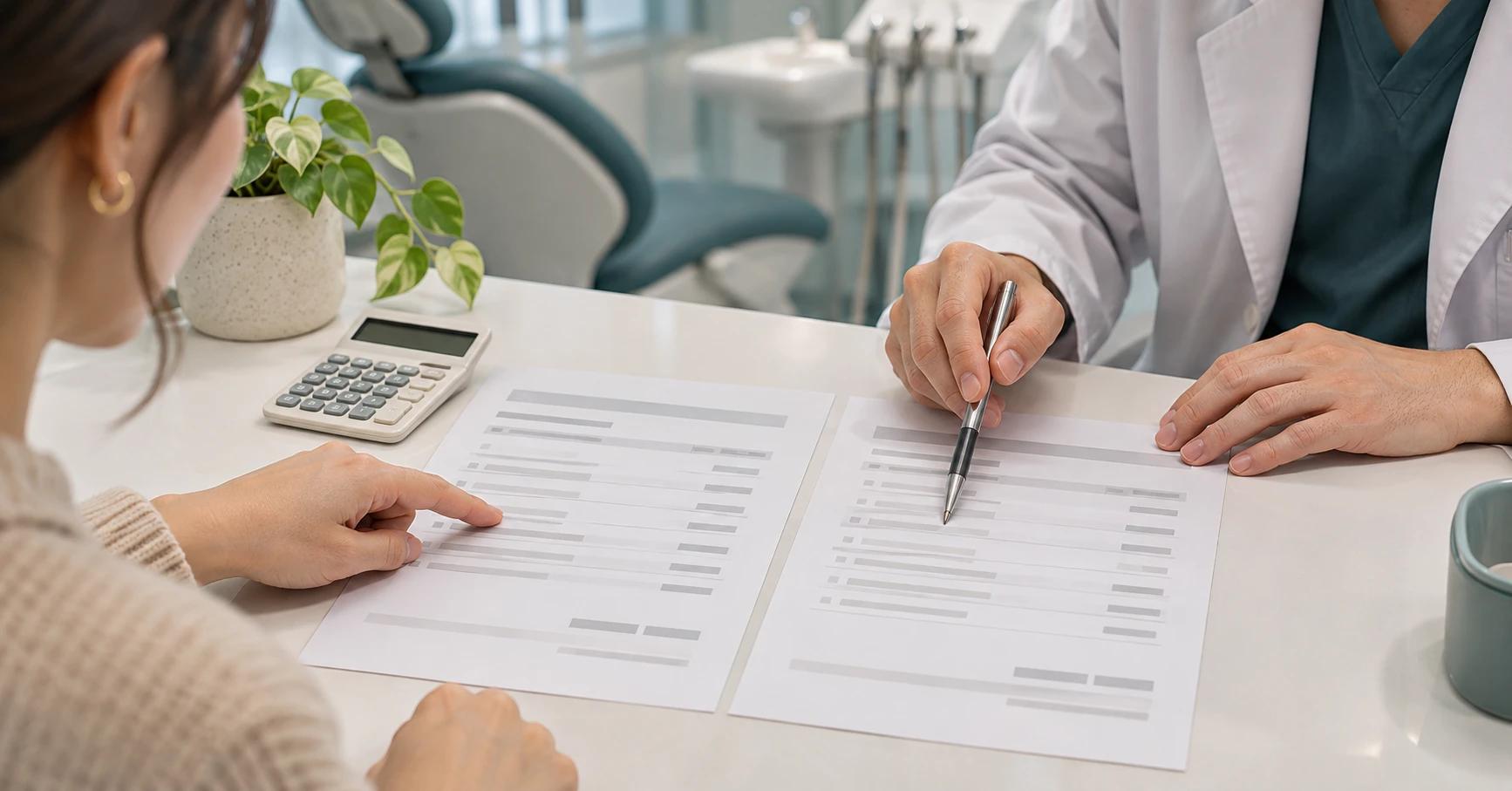
A written, itemized treatment plan is the single most useful document you can get before you cross. Ask for it before you pay anything beyond a small consultation fee. It should state:
- every procedure, tooth by tooth;
- the implant manufacturer and system, if implants are involved;
- the crown or bridge material and the lab that makes it;
- the type of anesthesia or sedation, and who gives it;
- the number of visits and the days for each;
- the total price, the currency, the deposit and the refund terms;
- what the warranty covers, for how long, and where repairs must be done.
Ask about imaging. The American Academy of Oral and Maxillofacial Radiology's 2012 position statement recommends cross-sectional imaging for every implant site and names cone beam CT (CBCT) as the method of choice. If you are having implants, ask whether the clinic takes a CBCT scan and whether you get a copy of the file.
Ask for the plan in English, along with copies of your X-rays and notes after each visit. You will need them for any dentist who sees you at home.
Check the travel advisory before each trip
The State Department's Mexico travel advisory issued May 29, 2026 places Baja California, the state that includes Tijuana, at Level 3: Reconsider Travel. It also lists no additional travel restrictions for US government employees in Tijuana. Advisory levels change, so read the current version on travel.state.gov before every trip, not only the first.
Mexico's entry requirements for land visitors also change. Before you cross, check the State Department's Mexico country page and Mexico's immigration authority (INM) for whether you need an entry permit for the length and route of your stay.
Plan the crossing south
You can cross on foot or by car.
On foot
The San Diego Trolley's Blue Line ends at the San Ysidro Transit Center, next to the port of entry. From there you walk into Mexico. Many clinics offer to collect patients near the crossing; ask whether yours does, where the pickup point is, and who to call if the driver is late.
By car
Ask your auto insurer in writing whether your US policy covers you in Mexico. If it does not, arrange cover before you drive. Find out where the clinic wants you to park.
If you are having sedation, do not plan to drive yourself back. Ask the clinic how long you must wait after sedation before you leave, and bring a companion who can drive or walk you across.
Plan the crossing north
Coming back is the slower part of the day, and it is the part you cannot hurry.
Documents
CBP's Western Hemisphere Travel Initiative page (last modified June 2026) lists the documents a US citizen may present when entering by land: a US passport or passport card, an enhanced driver's license, or a NEXUS, SENTRI or FAST trusted traveler card. Carry one of them.
Wait times
CBP publishes estimated waits for each port on its Border Wait Times site, bwt.cbp.gov, with separate figures for general and Ready lanes and for pedestrians. Check it before you leave the clinic, and build the wait into your schedule, your medication timing and any ride you have booked on the US side.
If you cross often, CBP's SENTRI program gives pre-approved, low-risk travelers dedicated lanes at select southern land ports of entry. Applicants complete a background check and an in-person interview, so apply well before the trips you plan.
Medicines
If the clinic gives you medicine, ask for it in its original packaging with a written prescription. CBP's Know Before You Go guidance says medication should be in its original packaging and suggests no more than a 90-day supply. Read CBP's current rules on medication before you bring anything back.
Plan the care that happens at home
CDC's medical tourism guidance says to bring copies of your medical records, see a healthcare provider or travel medicine clinician at least 4 to 6 weeks before you go, and confirm that you can get follow-up care in the United States. It notes that care for complications may be costly or not covered by insurance.
For a Tijuana dental trip, that means three calls before you book: your US dentist, to ask whether they will see you after treatment in Mexico; your insurer, to ask what it pays for that follow-up; and the clinic, to ask what happens if something fails after you are home.
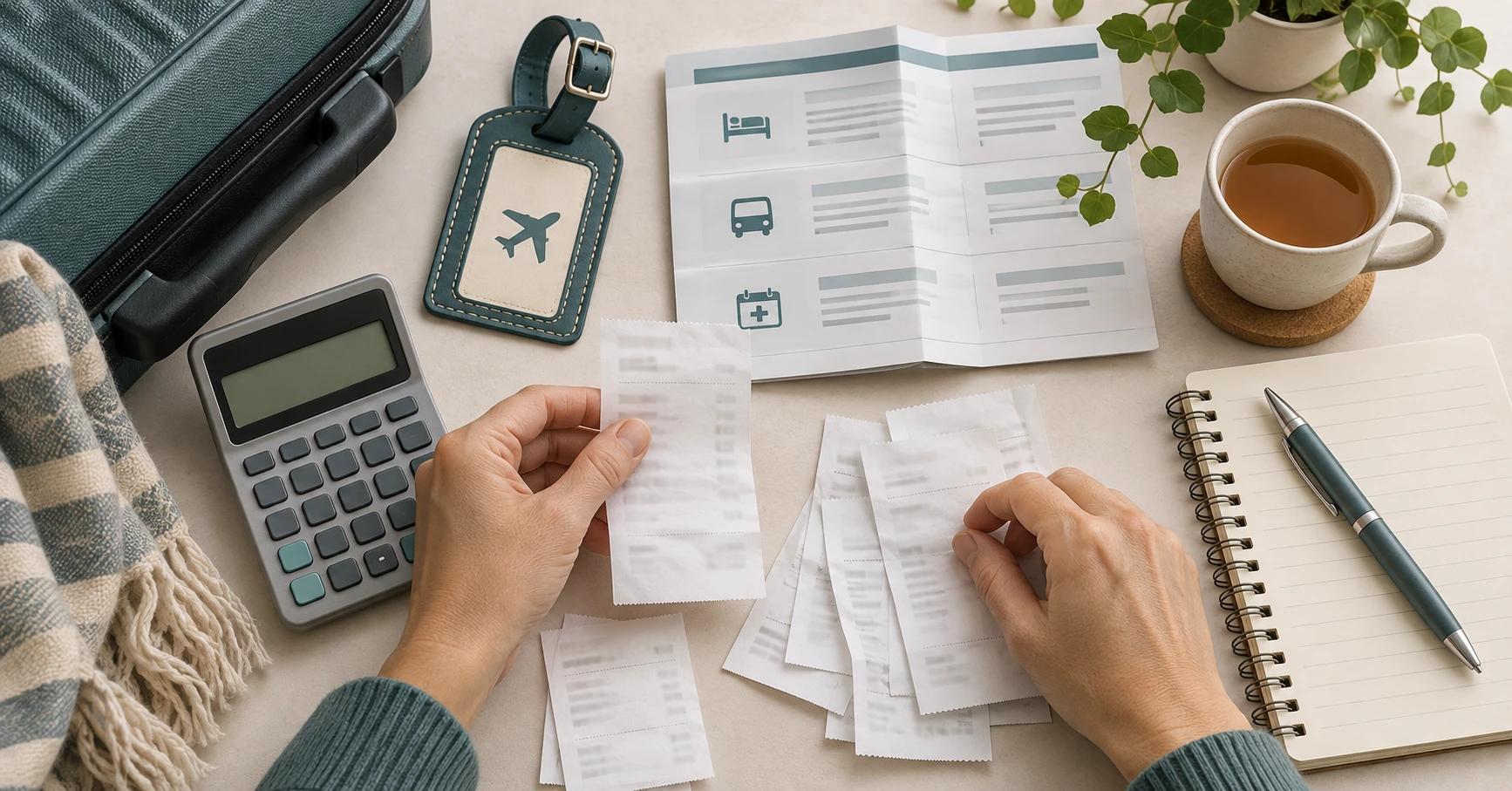
Prices in Mexico are typically 40–70% below US list prices. Savings vary by procedure, provider, and destination. Ask the clinic for an itemized written quote, and add crossing time, parking or transport, hotel nights and any second visit before you compare it with a US quote.
If you use Heyzl, its dental coordination fee is $199, paid by you and added to your total at booking. It is a fixed fee, not a percentage of the procedure, and it is never deducted from the clinic's payment.
Frequently asked questions
How do I check a dentist's license in Tijuana?
Search the dentist's full name in the Registro Nacional de Profesionistas, the public license lookup run by Mexico's Secretaría de Educación Pública. For specialty claims, ask which council certified the dentist and confirm it with that council directly.
What documents do I need to come back from Tijuana?
CBP lists a US passport or passport card, an enhanced driver's license, or a NEXUS, SENTRI or FAST card for US citizens entering by land. Check CBP's site before you travel in case the list changes.
How long is the wait at San Ysidro?
It changes through the day. Check CBP's Border Wait Times site, bwt.cbp.gov, before you leave the clinic, and plan your medicine, meals and rides around a long wait.
Is Tijuana safe for a dental trip?
The State Department's advisory issued May 29, 2026 places Baja California, which includes Tijuana, at Level 3: Reconsider Travel. Read the current advisory on travel.state.gov before each trip and decide with that information.
Your next step: before you book, look up the dentist in the Registro Nacional de Profesionistas, ask the clinic for a written itemized treatment plan, and check the current State Department advisory and CBP wait times for your travel date.
Heyzl coordinates the logistics of care in Mexico for a fixed fee by procedure category, paid by the patient. See how Heyzl works.
Heyzl coordinates care logistics. It does not provide medical advice. Talk to a licensed physician about your own situation before making any medical decision.
Heyzl Editorial
Our editorial team consists of medical professionals, travel experts, and patient advocates dedicated to providing accurate, helpful information about medical tourism.